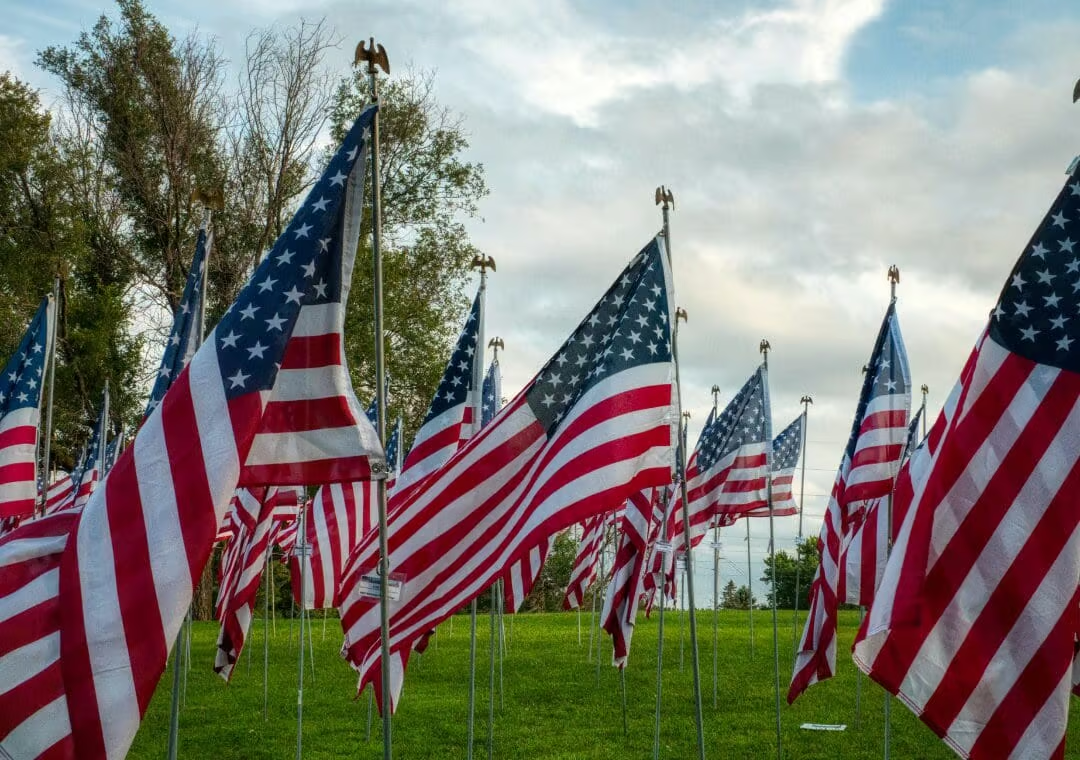
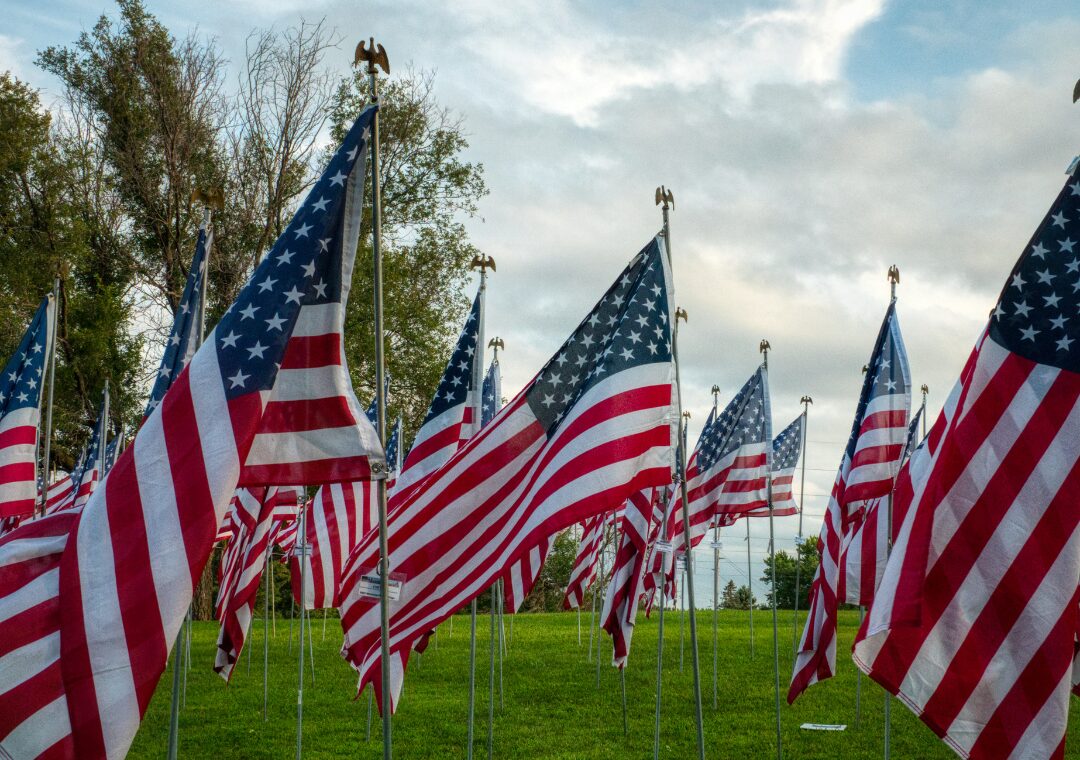
Every year on November 11th, we pause as a nation to honor our veterans—those who stepped forward with bravery, dedication, and a willingness to sacrifice to protect our country. Their stories, their service, and their legacies shape our communities and our families in ways that last long beyond their years in uniform.
Veterans Day is a time for reflection, gratitude, and connection. It’s also a meaningful moment to think about the legacies we all carry—and how we can protect them for the next generation. For many families, especially those touched by military service, family heirlooms hold immense emotional value. Medals, photos, letters from deployments, flags, uniforms, handmade items, and keepsakes passed down over decades tell powerful stories. They are pieces of history—deeply personal, irreplaceable, and deserving of thoughtful protection.
This Veterans Day, we’re focusing on one important aspect of estate planning that often gets overlooked: keeping heirlooms, mementos, and treasured belongings in the family—and ensuring they end up exactly where you intend.
Why Heirlooms Matter—Especially in Military Families
Heirlooms carry the heart of a family’s history. In military families, they often hold even more weight. A grandfather’s medals. A great-aunt’s WWII journal. A neatly folded American flag. Letters written during deployment. A patch from a uniform. A photo of a service member standing with their unit overseas. These items aren’t just objects—they’re stories, sacrifices, and pieces of identity.
For many veterans and their families, preserving these items isn’t about value—it’s about honoring the service and memories they represent.
But without a proper estate plan, these treasured pieces can:
- Accidentally go to the wrong person
- Become points of conflict during grief
- Get sold, donated, or misplaced
- Lose their history if no one knows their significance
- End up forgotten or in the hands of someone who doesn’t recognize their meaning
Estate planning ensures that the memories, meaning, and legacy behind these heirlooms live on with the people who understand and cherish them.
The Role of Estate Planning in Protecting Your Family’s Legacy
Most people think of estate planning in terms of bank accounts, houses, or investments—but it plays a crucial role in protecting sentimental items too. In fact, heirlooms are often the first things people worry about when families gather after a loss.
A clear estate plan allows you to:
✅ Decide who inherits specific items
Instead of leaving difficult decisions to grieving loved ones, you can clearly assign sentimental items—military memorabilia, photo albums, jewelry, furniture, and more—to the right people.
✅ Explain the story behind each item
Some estate plans include letters, notes, or instructions describing the meaning of certain heirlooms. This preserves the history, not just the object.
✅ Prevent family conflict
When it’s written down—legally—there’s no uncertainty or debate. Your intentions are honored with clarity.
✅ Keep items from being lost or discarded
Without context, some items may seem insignificant. Planning ensures they stay with those who understand their importance.
✅ Preserve generational continuity
Passing heirlooms with intention strengthens family bonds and keeps memories alive for children and grandchildren.
For families with strong military traditions, this kind of planning can be especially meaningful.
Veterans Day: A Reminder to Protect the Legacy Behind the Memories
Veterans Day is a time to listen to stories, revisit memories, and reflect on the sacrifices made by those who served. Many families take this time to display medals, hang up photos, or bring out keepsakes that have been tucked away throughout the year.
Instead of waiting until these items become a question mark for future generations, Veterans Day is the perfect moment to think about:
- Which family members should receive certain items
- What belongings hold deep meaning
- How to properly document your wishes
- What stories need to be recorded or shared
Your estate plan allows you to intentionally preserve not just the items themselves, but the history they carry.
Specific Steps to Ensure Your Heirlooms Stay in the Family
Here are some simple but powerful ways estate planning can protect your family’s most treasured keepsakes:
1. Create a Personal Property Memorandum
Many estate plans include a document where you can clearly list family items and specify who should receive each one. It can be updated as needed without rewriting the entire Will.
2. Label Heirlooms with Their Stories
A note, a letter, or even a digital file explaining the history of each item ensures that the meaning isn’t lost—especially important for military memorabilia.
3. Talk with Your Loved Ones
Sometimes, a simple conversation can prevent confusion later. Tell your family why certain items matter and who you’d like to have them.
4. Preserve Documents Properly
DD-214 discharge papers, letters, deployment documents, photos, and certificates should be stored safely—and copies included in your estate plan.
5. Use a Trust for High-Value or Highly Important Items
If there is concern about items being lost, sold, or contested, a Trust can provide added protection and control.
6. Record Video or Written Messages
Many veterans choose to share the stories behind their service. These messages can accompany heirlooms and become treasured pieces of family history.
Why This Matters: Honoring the Legacy of Service
Heirlooms are more than keepsakes—they represent service, sacrifice, love, and connection. Veterans devote their lives to protecting this country. Preserving their stories and memories is one of the most meaningful ways to honor that dedication.
Estate planning ensures that:
- Your family’s story does not get lost
- Your loved ones understand the meaning behind what you pass down
- Generations to come will know where they come from
- The sacrifices of veterans in your family remain recognized
This is how we carry forward the legacy of service—not just through history books, but through the objects that shaped our families’ lives. Schedule your initial meeting today!
A Veterans Day Message of Gratitude
Today, we honor every veteran—those who served in war, in peace, at home, and overseas. We recognize your strength, courage, and sacrifice. Your stories deserve to be remembered, your legacies preserved, and your families supported.
This Veterans Day, take a moment to reflect on the memories, heirlooms, and pieces of history that matter most—and consider taking the steps to protect them through a comprehensive estate plan. The items you treasure tell a story. Estate planning ensures that story continues.